
Dental implants are one of the most reliable and long-lasting solutions for replacing missing teeth. Modern implant dentistry offers different techniques for placing implants, and two of the most common approaches are freehand dental implant surgery and guided dental implant surgery.
While both methods can produce excellent outcomes when performed by an experienced dentist, there are important differences in how each procedure is planned and executed.
Understanding the difference between freehand and guided dental implants can help patients feel more informed and confident when discussing treatment options with their dentist.
What Are Dental Implants?
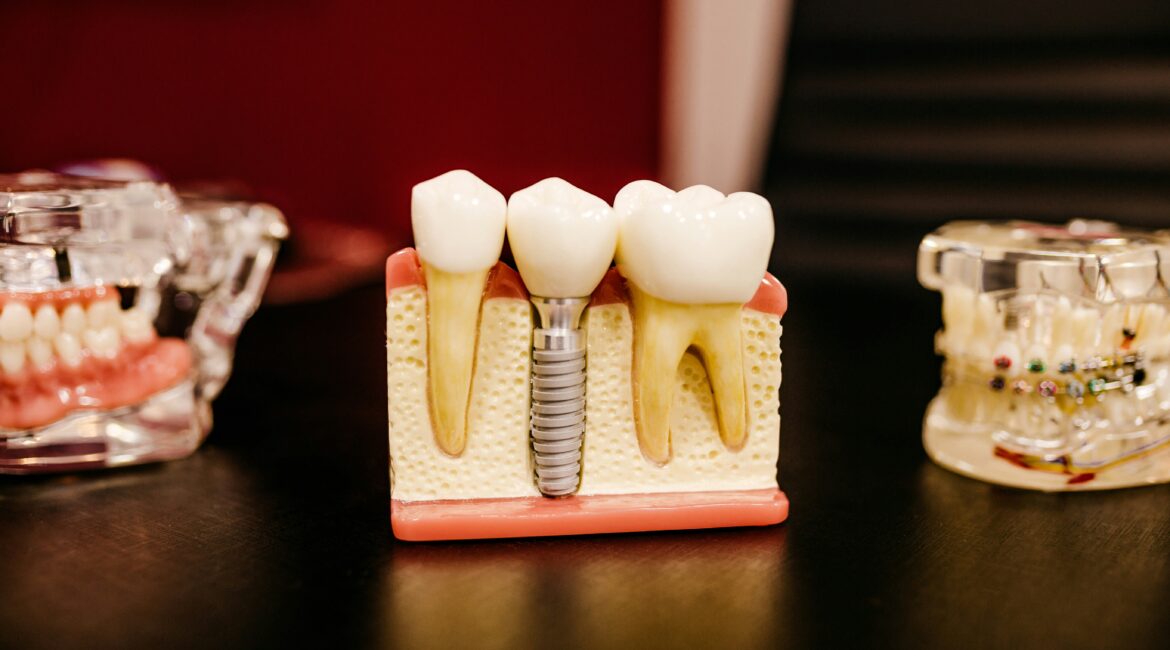
A dental implant is a small titanium post that is surgically placed into the jawbone to replace the root of a missing tooth. Over time, the implant fuses with the surrounding bone through a process called osseointegration, creating a strong foundation for a crown, bridge, or denture.
Successful implant placement depends on precise positioning within the jawbone. The implant must be placed at the correct depth, angle, and location to support the final restoration while avoiding nearby anatomical structures such as nerves and sinuses. This is where the choice between freehand and guided implant placement becomes important.
What Is Freehand Dental Implant Surgery?
Freehand dental implant surgery is the traditional method of implant placement. In this approach, the dentist plans the implant position using diagnostic tools such as X-rays, cone beam CT scans, and clinical measurements.
During surgery, the dentist manually places the implant based on their training, experience, and real-time assessment of the patient’s anatomy.
This technique relies heavily on the clinician’s skill and judgment. Experienced implant dentists develop a strong sense of spatial awareness and bone anatomy, allowing them to place implants accurately without mechanical guidance. Freehand implant placement has been used successfully for decades and remains a viable option in many clinical situations.
Freehand placement may be preferred in cases where anatomy is straightforward, bone volume is abundant, or when minor adjustments are needed during surgery. It also allows for flexibility if unexpected conditions are discovered once the procedure begins.
What Is Guided Dental Implant Surgery?
Guided dental implant surgery uses advanced digital technology to enhance precision and predictability. The process begins with a cone beam CT scan, which creates a three-dimensional image of the patient’s jawbone, nerves, and surrounding structures.
This digital scan is combined with virtual planning software to determine the ideal implant position before surgery takes place.
Based on this digital plan, a custom surgical guide is created. The guide fits over the patient’s teeth or gums and contains small channels that direct the implant drill to the exact depth, angle, and location planned in advance. During surgery, the dentist uses this guide to place the implant with a high degree of accuracy.
Guided implant surgery is often associated with minimally invasive techniques, smaller incisions, and more predictable outcomes, particularly in complex cases.
Key Differences Between Freehand and Guided Implant Placement
The most significant difference between freehand and guided dental implants lies in the level of pre-surgical planning and intraoperative guidance. Freehand surgery depends primarily on the dentist’s experience and anatomical judgment during the procedure. Guided surgery relies on digital planning and physical guides to control implant placement.
Guided implant surgery offers enhanced precision, especially when implants must be placed near sensitive structures such as the inferior alveolar nerve or maxillary sinuses. It is also beneficial when multiple implants are being placed or when implants must support a full arch restoration.
Freehand surgery, on the other hand, provides flexibility and can be highly effective in simpler cases. A skilled dentist can achieve excellent results without a surgical guide, particularly when bone quality and quantity are ideal.
Benefits of Guided Dental Implants
Guided dental implant surgery offers several advantages that appeal to both dentists and patients. Because the implant placement is planned digitally before surgery, there is greater predictability in the final outcome. This level of planning often allows for more conservative procedures, reducing trauma to surrounding tissues.
Patients may experience shorter surgery times, less postoperative discomfort, and faster healing when guided techniques are used. In some cases, guided surgery makes it possible to place implants without large incisions or sutures, which can further improve recovery.
Guided implant placement is especially useful for patients who require precise implant positioning for cosmetic reasons, such as in the front of the mouth, or for those receiving full-arch restorations where implant alignment is critical.
When Freehand Implant Surgery May Be Appropriate
Despite the advantages of guided surgery, freehand implant placement remains an excellent option in many situations. Experienced dentists can place implants accurately without a guide, particularly when treating single missing teeth or areas with ample bone.
Freehand surgery may also be preferred when minor adjustments are needed during the procedure that were not anticipated during digital planning. In some cases, anatomical variations or changes in bone quality become apparent only during surgery, and freehand techniques allow the dentist to adapt accordingly.
It is important to note that freehand placement does not mean imprecise placement. When performed by a skilled implant dentist, freehand surgery can produce long-lasting, highly successful results.
Which Approach Is Better?
There is no single “best” approach that applies to every patient. Both freehand and guided dental implant surgery can be safe, effective, and predictable when performed by an experienced professional. The choice depends on several factors, including the complexity of the case, the number of implants needed, the patient’s anatomy, and the dentist’s clinical judgment.
In many practices, guided and freehand techniques are used selectively based on what will produce the best outcome for each individual patient. Some cases may benefit from guided surgery, while others can be treated just as effectively with freehand placement.
The Importance of Experience and Planning
Regardless of the technique used, successful dental implant treatment depends on thorough planning, proper diagnosis, and clinical expertise. Advanced imaging, careful evaluation of bone health, and a clear restorative plan are essential components of implant success.
Patients considering dental implants should focus less on the technique itself and more on choosing a dentist with advanced training in implant dentistry. An experienced provider can determine whether freehand or guided implant placement is most appropriate and ensure the procedure is performed safely and accurately.
Final Thoughts on Freehand vs. Guided Dental Implants
Both freehand and guided dental implant surgery are proven methods for restoring missing teeth. Guided implants offer enhanced precision and predictability, particularly in complex cases, while freehand implants provide flexibility and remain highly effective in experienced hands.
If you are considering dental implants, the best next step is a comprehensive consultation. During this visit, your dentist can evaluate your oral health, discuss treatment options, and recommend the approach that best suits your needs and goals.
Modern Day Dental | St. Johns, FL
Dental implants are a long-term investment in your oral health, comfort, and confidence. Whether your treatment involves guided or freehand implant placement, working with a knowledgeable and experienced dental team is the key to achieving a successful outcome.
If you are missing one or more teeth and would like to explore your implant options, schedule a consultation with Modern Day Dental today. Our team is committed to providing personalized, high-quality care to help you restore your smile and oral health with confidence.