For many people, wisdom teeth feel like a rite of passage: they show up in your late teens or early twenties, someone tells you they need to come out, and you spend a few days recovering on the couch with ice packs and smoothies. But not everyone’s experience looks like that. Some people have wisdom teeth that cause pain, infection, or crowding, while others keep theirs for life without a single problem.
So how do you know which group you fall into? The answer depends on how your wisdom teeth are positioned, whether they can be kept clean, and whether they’re affecting the teeth around them. Here’s what to know about when removal makes sense, when it’s perfectly fine to leave them alone, and what to expect either way.
What Wisdom Teeth Are (and Why They Cause Trouble)
Wisdom teeth are your third molars, the last teeth to develop at the very back of the mouth. They typically try to come in between the ages of 17 and 25. Most people have four, but some have fewer, and some never develop them at all.
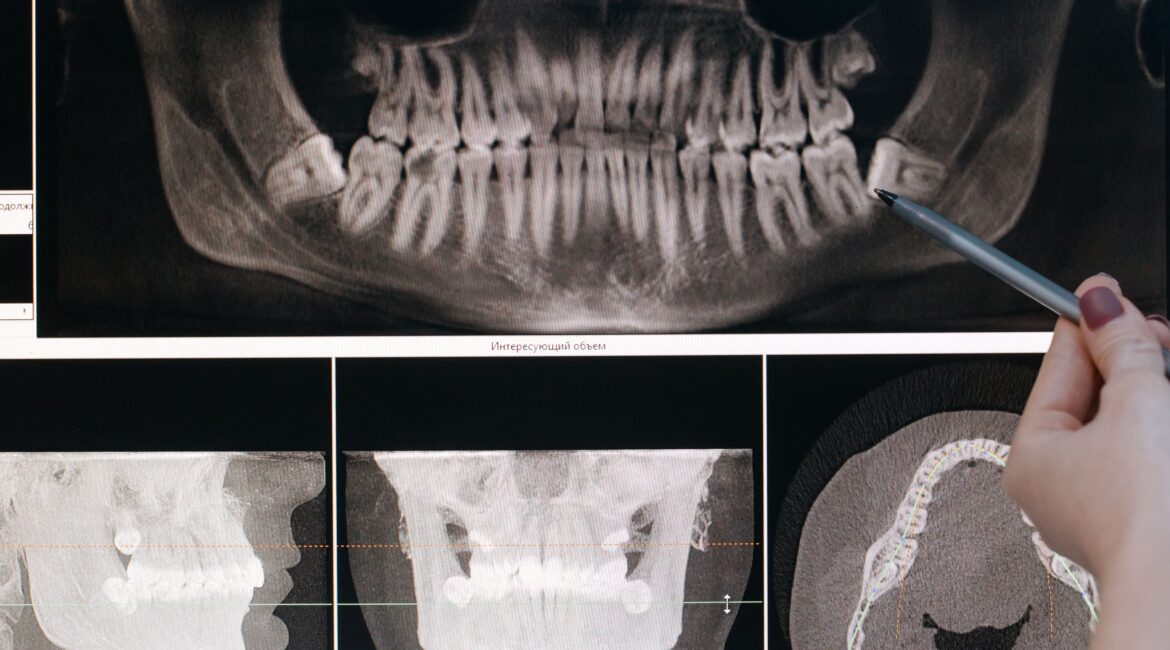
The problem is usually space. By the time wisdom teeth arrive, the rest of your adult teeth are already in place, and many jaws simply don’t have room for four more molars. When a wisdom tooth can’t fully erupt, it’s described as impacted. Impacted teeth may:
- Stay completely trapped beneath the gum and bone
- Partially break through, leaving a flap of gum over part of the tooth
- Grow in at an angle, tilting toward the neighboring molar, toward the back of the mouth, or even sideways
An impacted tooth isn’t automatically a problem, but it is more likely to become one over time.
When Wisdom Teeth Should Come Out
Removal is generally recommended when a wisdom tooth is causing problems now, or is very likely to cause them soon. Common reasons include:
Repeated Infections
A partially erupted tooth leaves a pocket under the gum flap where food and bacteria get trapped. This can lead to a painful infection called pericoronitis, with swelling, a bad taste, and difficulty opening your mouth. Once it happens, it tends to come back.
Damage to Neighboring Teeth
A wisdom tooth pushing against the second molar can cause decay or bone loss on that tooth, which is much harder to fix than the wisdom tooth itself. Protecting the tooth in front is one of the most important reasons to remove one.
Decay or Gum Disease
Because they sit so far back, wisdom teeth are hard to brush and floss. If one develops a large cavity or the gums around it are chronically inflamed, removal is often more practical than repair.
Cysts
Occasionally, a fluid-filled sac forms around an impacted tooth. Left alone, it can damage the jawbone and nearby roots.
Orthodontic or Restorative Plans
If you’ve invested in braces or Invisalign, or need other dental work in the area, your dentist may recommend removing wisdom teeth that would interfere with the result.
When It’s Fine to Leave Them Alone
Not every wisdom tooth needs to go. Many dentists no longer recommend removing healthy wisdom teeth “just in case.” Leaving them in place is often reasonable when they:
- Have fully erupted and sit in a normal, upright position
- Meet the opposing teeth and help you chew
- Can be brushed and flossed effectively
- Show no signs of decay, gum disease, or infection
- Aren’t crowding or damaging the teeth next to them
Even fully impacted teeth that are completely covered by bone, with no symptoms and no changes on X-rays, are sometimes best left in place, particularly in older adults, for whom surgery and healing can be more involved.
The key word is monitoring. Wisdom teeth you keep should be checked at your regular visits, with periodic X-rays to make sure nothing is changing below the surface.
Signs Your Wisdom Teeth Need Attention
Call your dentist if you notice any of the following at the back of your mouth:
- Pain or pressure behind your last molars
- Red, swollen, or tender gums around a partially erupted tooth
- A bad taste or bad breath that doesn’t go away
- Jaw stiffness or difficulty opening your mouth fully
- Swelling along the jaw or cheek
- Food constantly getting stuck in the same spot
Swelling that spreads, fever, or difficulty swallowing can signal a spreading infection and should be treated as a dental emergency.
What Removal and Recovery Look Like
If removal is the right call, knowing what to expect takes much of the worry out of it.
Timing Matters
Wisdom teeth are generally easier to remove in your late teens and twenties, when the roots aren’t fully formed and the bone is less dense. Healing also tends to be faster at a younger age. That doesn’t mean removal is off the table later in life, only that planning ahead can make the process smoother.
The Procedure
A tooth that has fully erupted can often be removed much like any other extraction. Impacted teeth may require a small incision in the gum and, sometimes, removing the tooth in sections. Local anesthesia keeps the area numb, and sedation options are available for patients who feel anxious.
Recovery Tips
Most people feel back to normal within a few days to a week. To heal comfortably:
- Bite gently on gauze for the first hour to help a blood clot form.
- Use ice on the outside of your cheek during the first day to limit swelling.
- Stick to soft, cool foods for a few days, such as yogurt, smoothies (eaten with a spoon), and mashed potatoes.
- Avoid straws, spitting, and smoking for at least several days, since suction can dislodge the clot and cause a painful dry socket.
- Rinse gently with warm salt water starting the day after surgery.
- Take pain medication as directed, and call if pain gets worse after day three instead of better.
Our Approach to Wisdom Teeth at Modern Day Dental
At Modern Day Dental, Dr. Taras Kulynych and our team don’t believe in removing teeth by default. Every recommendation starts with a careful look at your specific situation.
Clear Imaging, Clear Answers
Digital and AI-enhanced X-rays show exactly how your wisdom teeth are positioned and how close they sit to nerves and neighboring teeth, so we can walk you through the picture together.
Honest Recommendations
If your wisdom teeth are healthy and cleanable, we’ll tell you so and simply keep an eye on them. If they’re causing or likely to cause problems, we’ll explain why and what your options are.
Comfort First
From sedation options to detailed aftercare instructions, we focus on making the experience as comfortable and predictable as possible. For more complex impactions, we coordinate with a trusted oral surgeon so you get the right level of care.
The Right Answer Is the One That Fits Your Mouth
Wisdom teeth don’t come with a universal rule. For some people, removal prevents infections, protects neighboring teeth, and avoids bigger problems later. For others, healthy, well-positioned wisdom teeth can stay for a lifetime with nothing more than good hygiene and regular checkups.
Whether you’re a parent wondering about your teen’s wisdom teeth or an adult dealing with pressure at the back of your mouth, we’re happy to take a look and give you a straightforward answer. Schedule your visit with Modern Day Dental in St. Johns, FL today.