
If you or someone you love is living with diabetes, you probably already keep an eye on blood sugar, diet, eyes, and feet. Your mouth doesn’t always make that list, but it should. Diabetes affects nearly every system in the body, and your teeth and gums are no exception. People with diabetes are more likely to develop gum disease, slow-healing sores, dry mouth, and infections, often without noticing until the problem has progressed.
What surprises many patients is that the connection runs both ways. Diabetes makes oral health problems more likely, and untreated gum disease can make blood sugar harder to control. The good news is that with the right daily habits and a dental team that understands the link, you can protect your smile and support your overall health at the same time. We’ve written before about the link between oral health and overall well-being; here we take a closer look at diabetes specifically.
A Two-Way Connection
High blood sugar doesn’t just stay in the bloodstream. Glucose also shows up in saliva, which feeds the bacteria that cause plaque, cavities, and gum inflammation. At the same time, diabetes can weaken the body’s ability to fight infection and slow down healing, so the gums have a harder time recovering once bacteria take hold.
The reverse is also true. Gum disease is a chronic infection, and chronic inflammation makes it harder for the body to use insulin effectively. That means advanced gum disease can push blood sugar levels up, which in turn makes gum disease worse. Research has found that treating gum disease can lead to a modest improvement in blood sugar control for people with diabetes, which is one reason many physicians now encourage their diabetic patients to see the dentist regularly.
Breaking that cycle starts with understanding what to watch for.
Common Oral Health Problems Linked to Diabetes
Gum Disease
Gum disease is the most well-documented oral complication of diabetes. People with diabetes, especially when blood sugar is poorly controlled, are significantly more likely to develop periodontitis, the advanced form of gum disease that damages the bone supporting the teeth. It often starts quietly with gums that bleed when you brush. You can learn more about how it progresses in our Gum Health 101 guide.
Dry Mouth
Diabetes, and some of the medications used to manage it, can reduce saliva flow. Saliva is your mouth’s natural defense system: it rinses away food, neutralizes acids, and helps control bacteria. Without enough of it, the risk of cavities, sore spots, and bad breath goes up.
Tooth Decay
More sugar in your saliva combined with less saliva to wash it away creates ideal conditions for cavities, particularly along the gumline and around older fillings.
Fungal Infections (Thrush)
Oral thrush is a yeast infection that appears as white or red patches on the tongue, cheeks, or roof of the mouth. It thrives on high glucose levels and is more common in people with diabetes, especially those who wear dentures.
Slow Healing
Cuts, sores, and surgical sites in the mouth may take longer to heal when blood sugar is elevated. This matters for everyday issues like a cheek bite, and even more for procedures such as extractions or implant placement.
Warning Signs Worth Mentioning to Your Dentist
Many diabetes-related oral problems are painless in the early stages, so it helps to know the subtle signs. Let your dental team know if you notice:
- Gums that bleed when you brush or floss
- Red, swollen, or tender gums
- Gums that seem to be pulling away from your teeth
- Persistent bad breath or a bad taste in your mouth
- A dry, sticky, or burning feeling in your mouth
- White or red patches on your tongue or cheeks
- Teeth that feel loose or a bite that feels different
- Sores that don’t heal within a week or two
None of these automatically means something serious is wrong, but with diabetes, it’s always better to have them checked early.
Daily Habits That Make a Real Difference
You don’t need a complicated routine to protect your mouth. A few consistent habits go a long way.
At Home
- Brush twice a day for two minutes with a soft-bristled brush and fluoride toothpaste.
- Clean between your teeth once a day with floss, interdental brushes, or a water flosser.
- Sip water throughout the day to combat dry mouth, and consider sugar-free gum or lozenges with xylitol to stimulate saliva.
- Remove and clean dentures daily, and take them out overnight to reduce the risk of thrush.
- Avoid tobacco and vaping, which compound gum disease risk.
With Your Health Routine
- Keep blood sugar as close to your target range as you can. Good glucose control is one of the most effective ways to protect your gums.
- Tell your physician about any oral health concerns, and tell your dentist about changes in your diabetes or medications.
- Watch for patterns. If your gums flare up when your numbers are higher, that’s useful information for both of your care teams.
What to Expect at the Dentist When You Have Diabetes
How Often You Should Come In
The standard six-month checkup works for many people, but patients with diabetes, particularly those with a history of gum disease, often benefit from cleanings every three to four months. As we explain in How Often Should You Really Go to the Dentist?, the right schedule depends on your individual risk. More frequent professional cleanings remove hardened buildup before it can damage the gums and bone.
Tips for Appointment Day
- Eat and take your medications as usual unless your dentist or physician tells you otherwise.
- Bring a current medication list and, if you track it, your most recent A1C.
- Morning appointments are often easiest, since blood sugar tends to be more stable earlier in the day.
- Let the team know right away if you feel shaky, sweaty, or lightheaded during your visit.
Dental Implants and Other Procedures
Having diabetes doesn’t automatically rule out treatments like extractions, root canals, or dental implants. In fact, many people with well-managed diabetes are excellent implant candidates. What matters most is how well blood sugar is controlled before and after treatment, since that affects healing. Your dentist may coordinate with your physician and plan the timing of procedures accordingly.
How We Support Patients With Diabetes at Modern Day Dental
At Modern Day Dental, Dr. Taras Kulynych and our team look at your mouth as part of your whole health picture, not separately from it.
Personalized Cleaning Schedules
We tailor how often you come in based on your gum health and history, rather than defaulting to a one-size-fits-all calendar.
Early Detection With Modern Technology
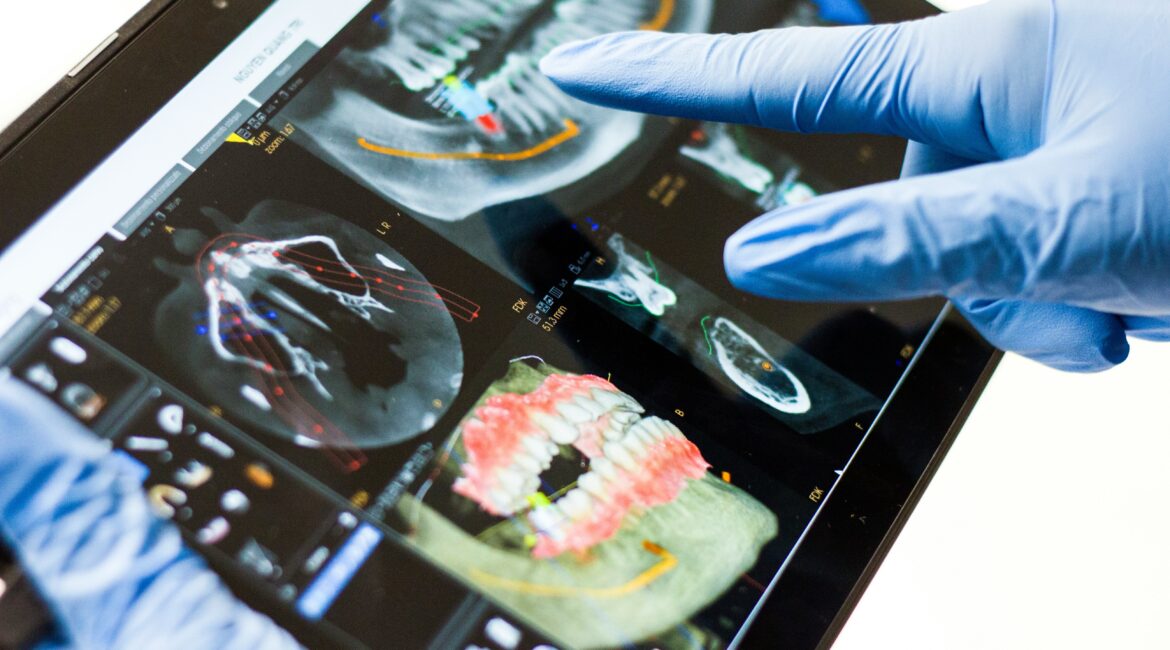
AI-enhanced X-rays and digital imaging help us spot bone loss, decay, and infection early, when treatment is simpler and more comfortable.
Coordinated, Unhurried Care
We take time to review your health history at every visit and are happy to coordinate with your physician when treatment planning calls for it.
Flexible Scheduling
Early morning and Saturday appointments make it easier to book at the time of day when you feel your best.
Protecting Your Smile and Your Health
Diabetes asks a lot of you already, and dental care can feel like one more thing on the list. But because your mouth and your blood sugar affect each other so directly, a little extra attention to your teeth and gums pays off well beyond your smile. Consistent home care, regular professional cleanings, and open communication between your dentist and physician are the foundation.
If you’re living with diabetes and it’s been a while since your last checkup, or you’ve noticed bleeding gums or dry mouth, we’re here to help. Schedule your visit with Modern Day Dental in St. Johns, FL today.